

The US president turned on Volodymyr Zelensky after Kyiv kept striking Russian oil facilities, a day after Washington cleared the way for Russian diesel exports.
Donald Trump has called for Volodymyr Zelensky to be replaced as Ukraine’s president, saying the country needs a leader who can make a deal to end the war with Russia.
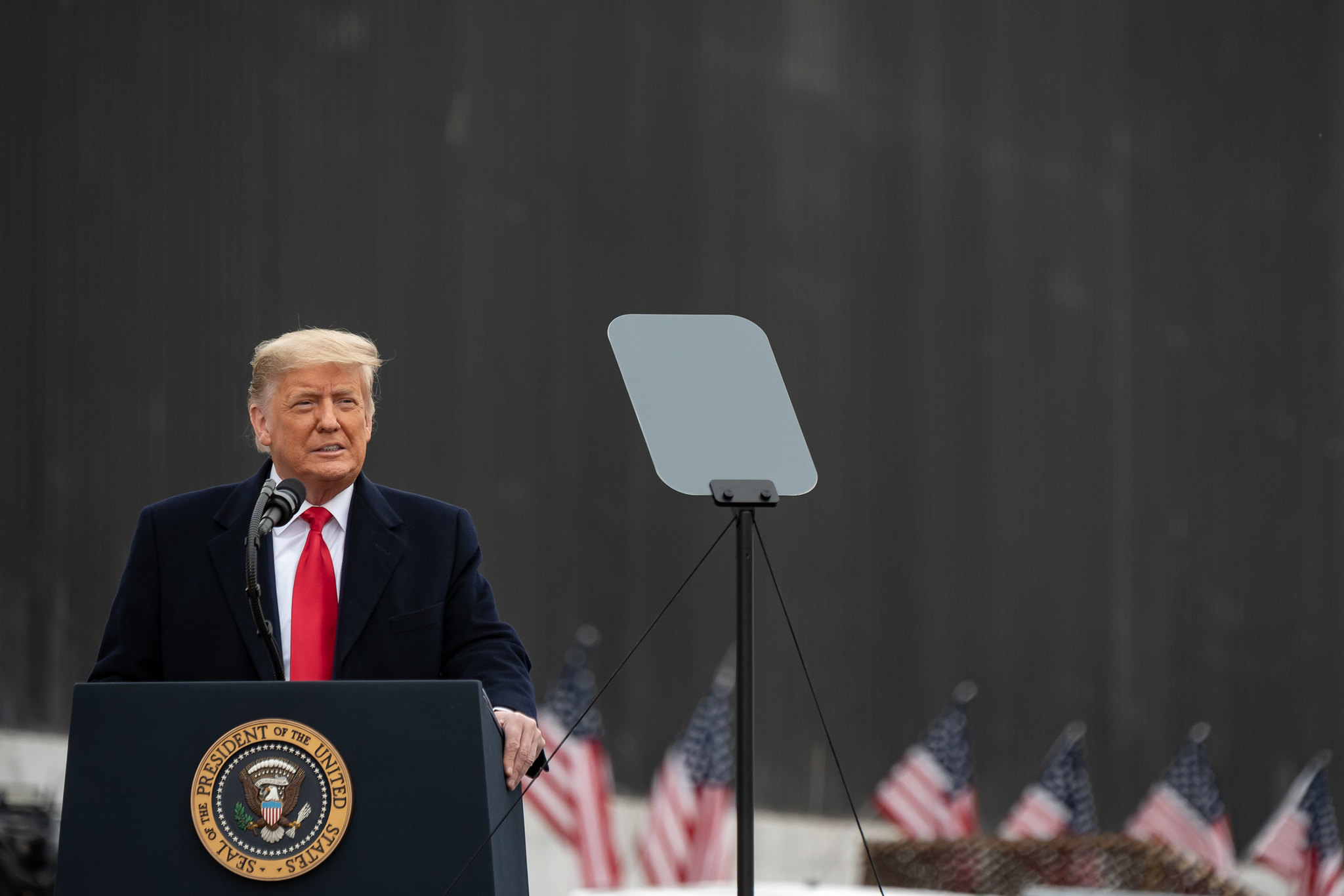
“He better damn well stop,” Trump told reporters at the White House, after Kyiv carried on striking Russian oil refineries. “I suggest they get a new leader who can make a deal,” he said of the Ukrainian president.
The remarks came a day after Trump announced a deal with Vladimir Putin to release Russian diesel on to world markets, and as Ukraine’s negotiators left talks in Miami early.
Trump said on Friday that Putin would “immediately supply more than 300,000 tons of diesel fuel to the American and global marketplace”, followed by a further 1.5 million tons before the end of the year.
The US Treasury said it was issuing a temporary licence to allow Russian diesel to flow to global markets. Washington banned imports of Russian oil, petroleum products, liquefied natural gas and coal in March 2022, shortly after Russia’s full-scale invasion of Ukraine.
The move came weeks after Trump signed sanctions legislation on 18 September targeting the five biggest buyers of Russian energy.
Trump faces pressure from voters over fuel costs ahead of November’s midterm elections. US diesel prices have risen about 70% since the war with Iran began, reaching $6.28 a gallon on Friday, up from $3.68 a year ago.
Prices have been driven up by Iran’s blockade of the Strait of Hormuz and Saudi Arabia’s closure of its east-west pipeline.
Zelensky’s negotiators spent nearly eight hours with Trump’s envoys, Steve Witkoff and Jared Kushner, in Miami on Friday. The talks were meant to finalise security guarantees that the US, Europe and Nato would give Ukraine under a peace deal, along with proposals on territory, a post-war financial package and Ukraine’s bid to join the EU.
The meeting was derailed when the Ukrainian team was caught off guard by Trump’s diesel announcement, the Financial Times reported, citing three people with direct knowledge of the talks.
Witkoff and Kushner told the Ukrainians that Trump was expected to speak to Putin and lift sanctions on Russian diesel. They also raised the possibility of cutting off US intelligence sharing if Kyiv did not stop the refinery strikes, according to the FT and a Ukrainian official who spoke to Axios.
US officials have denied making the threat.
Ukraine relies on US intelligence for its long-range drone campaign, which has caused an energy crisis in Russia. Russia still has a surplus of diesel it can export.
Zelensky had told the envoys that Ukraine would stop hitting refineries if Russia stopped attacking Ukrainian power plants, The Telegraph reported. Trump, who believes the strikes are pushing up US fuel prices, does not see them as equivalent to Russia’s attacks on Ukraine’s power grid.
“Zelensky is misreading the room. By continuing to hit refineries, he is eroding the goodwill that he has built with Trump over the last six months,” a US official told Axios.
Witkoff said on X that the talks had been “productive” and that both sides had agreed to continue their diplomatic efforts. The Ukrainian delegation cut its trip short rather than hold a second day of talks.
Kyiv has shown no sign of backing down. “We will burn [Russian] refineries,” a senior Ukrainian official said after Trump’s announcement.
Hours later, Ukrainian forces struck the Yug Rusi oil terminal in Rostov-on-Don, according to Russian authorities.
Zelensky said the diesel sale would fund “further terror and perfidy” in Ukraine, where Russian attacks have killed more than 80 people since Wednesday.
A glide-bomb attack on the south-eastern city of Zaporizhzhia on Saturday killed at least 17 civilians, including three children, Ukrainian authorities said. Russian ballistic missiles and drones struck Kyiv later that afternoon.
“What allowing Russia to sell oil products means was heard most clearly in Kyiv just now,” Zelensky said after the attack. “Russia’s choice is war.”
The Kremlin said on Saturday that Trump had set out ideas for de-escalating the war during his phone call with Putin.
“The Russian president received with understanding certain proposals from the US side for measures aiming at de-escalation,” Kremlin spokesman Dmitry Peskov said.
But Yuri Ushakov, a Putin aide, made clear that Moscow had not committed to resuming peace talks with Ukraine during the call.
Kyiv’s European allies are caught between refusing to fund Russia’s war and easing their own diesel shortages, which hit transport, farming and industry.
Germany said on Saturday it would not follow the US. “The federal government has taken note of the US decision relating to Russian diesel deliveries,” government spokesman Stefan Kornelius said.
He said Berlin “remains committed to the decisions on sanctions against Russia and is working with its European partners on further sanctions”.
Chancellor Friedrich Merz, who visited Kyiv last weekend, has repeatedly said Germany, Ukraine’s biggest European donor, will not reduce its support.
Kaja Kallas, the EU’s foreign policy chief, also criticised the deal. “Suspending sanctions on Russian diesel provides Moscow with more revenues to wage war,” she said. “This is not the time to ease pressure on Russia, and Europe won’t.”
The EU has banned imports of Russian refined oil products, including diesel, since February 2023 as part of its sanctions on Russia.
A year ago, Trump took the opposite view. He encouraged Kyiv to strike Russian refineries harder to weaken Putin’s economy and push him to negotiate, according to two people briefed on the call.
The administration halted intelligence sharing with Ukraine for eight days in March 2025, after a heated Oval Office clash between Trump and Zelensky.
In November that year, Zelensky said Ukraine faced a choice between accepting a US-drafted peace plan and losing American support.
In April this year, Trump threatened to stop supplying weapons to Ukraine to pressure European allies into helping reopen the Strait of Hormuz, according to people briefed on the discussions.