

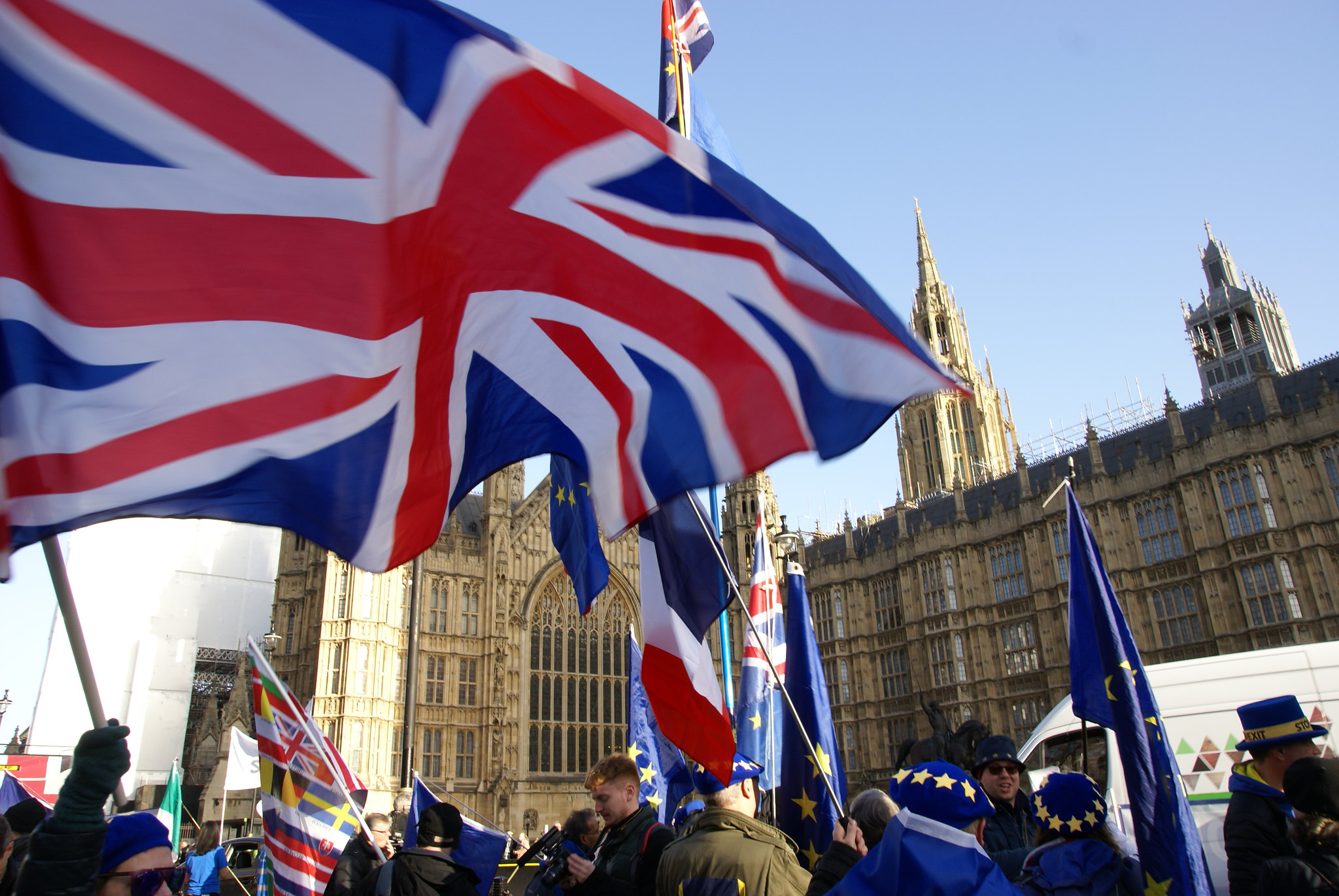
The prime minister gave his clearest commitment yet to a public vote before any return to the EU, as he presented his Brussels deal to MPs and accused former Conservative prime ministers of being “stuck in the past”.
Andy Burnham has said it would be “unthinkable” for the UK to rejoin the European Union without holding another referendum.
Setting out last week’s deal with the EU in the Commons on Monday, the prime minister was asked whether he could give a “clear and unequivocal” assurance that he would not take Britain back in without a public vote.
“Yes, it would be unthinkable,” he replied. It is the strongest commitment he has made so far to consulting the public directly.
Burnham has said his personal preference would be to rejoin, but he told MPs there was “no fixed opinion” and “no fixed destination” inside Downing Street.
“The world has changed and will continue to change, and we need to test any options against that reality,” he said. “But always, we should be, in my view, pragmatic and choose whatever option secures the best deal for Britain.”
He plans to publish the long-term options next month, but has said Labour’s manifesto red lines, ruling out the single market, customs union and free movement, will stay in place until the next general election. According to Downing Street insiders, if he concluded that rejoining was the best route, he would seek a mandate to start negotiations in Labour’s next manifesto, then hold a confirmatory referendum.
The UK and the EU have also agreed an informal “brainstorming” process to look at options for closer ties, from a Swiss-style deal to a single market and customs union arrangement or full membership, with results due around the next UK-EU summit.
Burnham acknowledged that politics in Europe could also shift, with France among four large EU countries holding elections in the next year. “We’ll have to obviously watch how life changes,” he said.
Burnham dismissed advice from former Conservative prime ministers Rishi Sunak, David Cameron and Theresa May, who have warned him against reopening the Brexit debate. Cameron said earlier this month that trying to rejoin would be “long and painful”.
“I’m not sure they’re the people I’ll be listening to here because they left Britain with a bad Brexit deal,” Burnham told broadcasters. “They’re stuck in the past because they can’t face up to the bad deal that they did.”
“I’m not a prime minister that’s going to be stuck in the past,” he added. “I want to lead Britain forward to a more hopeful future, get the economy growing again, get cost of living down for people, lower energy bills.”
Yet he also told MPs Labour would not be “banging on about Europe”, a pointed echo of Cameron’s 2006 warning to his own party. Political observers have read that as a sign Burnham does not want Brexit to dominate politics as it has so often in the past.
Burnham called the agreement signed in Brussels on Friday a “landmark moment” and “the single biggest growth measure to be delivered in this parliament”, claiming it could add £17bn to the economy. He said big supermarkets had confirmed it would “lift the pressure off the weekly shop”.
The deal scraps most checks on British food exports to the EU from 2028, in return for the UK following some EU rules. It links the UK and EU carbon trading systems. And a new youth experience scheme, due to start no later than January 2030, will let up to 100,000 young people aged 18 to 31 from each side live, work and study in the other for up to three years.
Some questions remain open. The EU wants its students to pay the same university fees as UK students, about £9,790 a year, rather than international rates. The Russell Group of leading universities estimates that could cost institutions about £570m a year. The two sides have six months to agree.
The legal text is expected to include a clause requiring the UK to cover the cost of reinstating customs checks if a future government tears up the deal. Opposition parties have dubbed it the “Farage clause”.
Legislation to put the food and drink deal into law is due to go before Parliament shortly.
Conservative leader Kemi Badenoch accused Burnham of overselling the deal “at every level”. Earlier, speaking to business leaders at the CBI’s annual conference, she said he should be “aiming a lot higher” on growth. “Of course, Europe will always remain an important market, but it is not the market of the future,” she said.
The Conservatives have argued it is unfair for UK farmers to follow rules made in Brussels, and the party’s deputy leader has said a Tory government would scrap the deal.
Reform UK leader Nigel Farage told the same conference that closer ties with the EU would be a “disaster” for British businesses trying to compete and innovate.
Burnham insists the public is on his side, pointing to polls suggesting most people want closer ties with Europe. “The ability to draw a line on a decade of drift and division is in our hands,” he said, “and I believe we should take it.”