

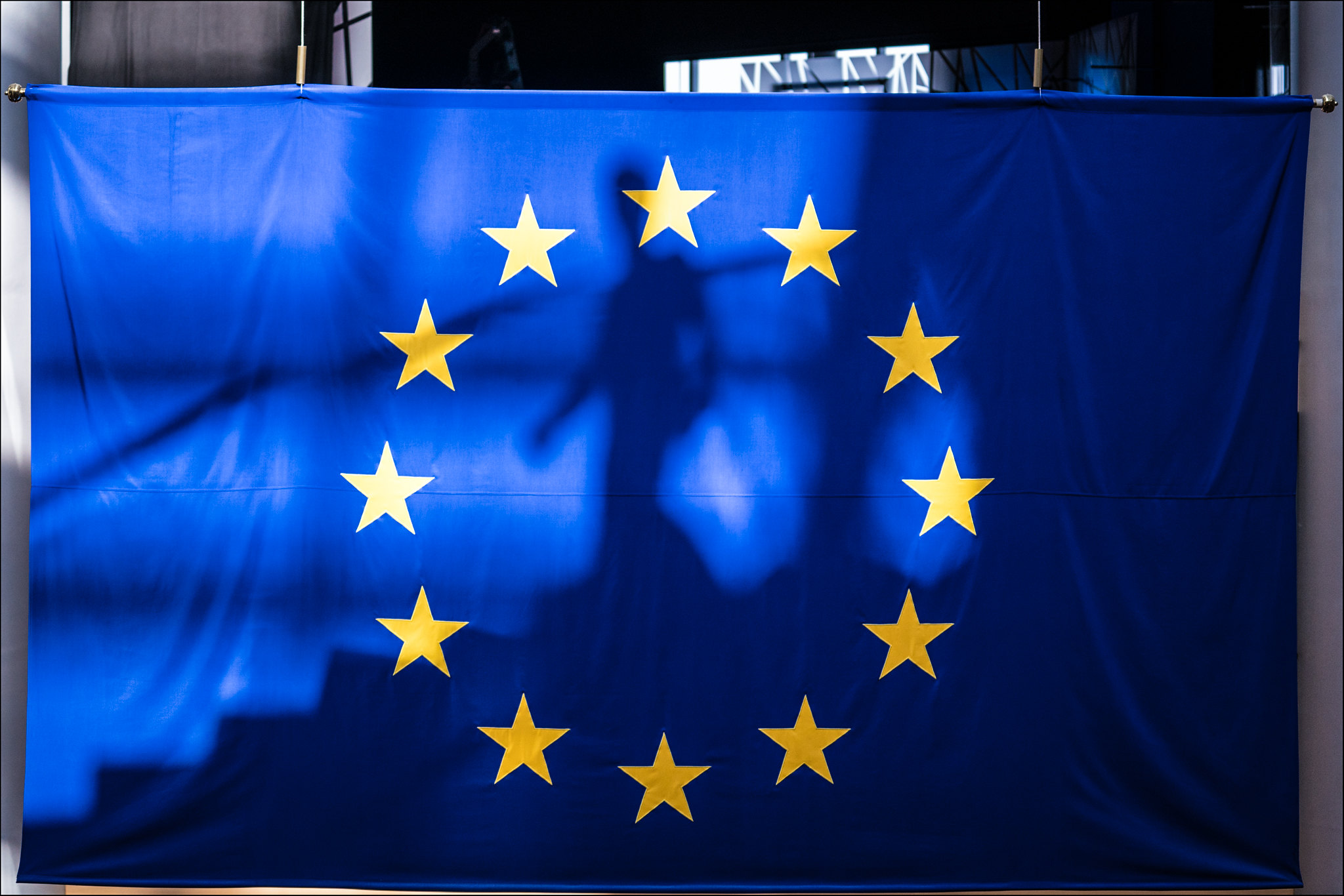
Prime Minister Andy Burnham meets the EU’s top officials in Brussels on Friday for a summit he has called a step towards undoing a decade of damage from Brexit.
The two sides hope to agree deals on food and drink trade, linking their carbon pricing systems, and a youth mobility scheme letting young people live and work in each other’s countries.
Downing Street said on Thursday that negotiations were “going down to the wire”. If a deal is reached, the government plans to bring legislation to Parliament next week.
It is only the second UK-EU summit since Brexit, following the first in London last year. Friday’s meeting was originally due in July but was postponed when Keir Starmer resigned.
The three deals
Food and drink. The first agreement would remove much of the Brexit paperwork on animal and plant products, making it easier to trade meat, cheese, wine and flowers. The government says it could add £5bn to the economy and help cut food prices. In return, the UK would follow EU standards in these areas, including rules on gene-edited crops and labelling, and would have to drop a planned ban on foie gras imports. It is not expected to take effect until 2028.
Pro-Brexit campaigners have claimed the deal would ban smoky bacon crisps. The government says “smoky flavours in crisps, sauces, and soups will remain on UK supermarket shelves”.
Carbon pricing. The second deal would link the UK and EU emissions trading systems, restoring a connection broken by Brexit. It would exempt British and EU firms from each other’s new charges on high-carbon imports such as steel, cement and electricity.
Youth visas. The third, and most contentious, would let 18 to 30-year-olds live, work, travel and study on both sides of the Channel for a limited period, reported to be up to three years. It may not start until 2030. The UK already runs similar youth mobility schemes with 13 countries outside the EU, including Australia, Canada and India.
Burnham says the deals together could add about 0.4% to the UK economy.
Two issues were still open on the eve of the summit. The EU wants students from its member states to pay the same university tuition fees as UK students, rather than international fees that can be four or five times higher.
The two sides also disagree on numbers. The EU wants 100,000 youth visas a year, while the UK has been looking at 50,000 to 80,000 to keep migration figures down. The EU is insisting that all three deals come into force together, giving it leverage on fees.
The UK also wants British firms included in the EU’s “Made in Europe” plan, which would favour European companies when public money is spent on goods such as electric cars and nuclear technology. That will not be settled on Friday: the EU law behind it is not expected to be agreed until spring 2027, and France and the European Parliament want the UK to adopt EU trade defences against cheap Chinese imports first.
“The Brexit we were given has not worked. We have lost more than we gained,” Burnham said this week. He has said all options for the future relationship should be on the table, including rejoining the EU, but has ruled out crossing Labour’s red lines on the single market, customs union and free movement before the next election, due by 2029.
“There’s no rush,” he said on Tuesday. “The red lines in the Labour manifesto will stand. And the British public will be in charge of whatever comes next.”
Conservative leader Kemi Badenoch accused Burnham of “reopening the divisions and debates” of the 2016 referendum. She said she wanted easier trade with the EU, “not trade at any cost”, and warned the deals could force UK firms to follow EU rules even if they do not trade with the bloc.
Former Conservative cabinet minister Michael Gove, who backs the new “Stay Out” campaign, said rejoining “would mean handing back control of our laws, borders, money and trade”.
On the other side, former deputy prime minister David Lammy has urged Labour to campaign on rejoining at the next election. “It just doesn’t make sense” for the UK to go it alone, he said. “It never did.” The issue has divided the cabinet.
Downing Street framed the choice as standing “with Boris Johnson and Kemi Badenoch defending a broken status quo” or with Burnham “delivering change”.
European Commission President Ursula von der Leyen said she wanted “a summit of ambition and concrete results”, with “more opportunities for young people” and “easier agrifood trade”.
The EU has welcomed Britain’s warmer tone, and some leaders, including France’s Emmanuel Macron, have said they would welcome the UK back. But EU officials are wary of a long negotiation that a future anti-EU government in London could undo.
Ireland’s ambassador in London, Sonja Hyland, said that if Britain wanted to reopen negotiations, it must “make a clear decision as to what it wants”.
Beyond Friday’s deals, the draft summit statement points to closer cooperation on energy, crime-fighting, technology and student exchanges. The next big agreement, targeted for next year, would bring the UK back into the EU’s electricity market, in return for contributions to the EU budget.
None of this amounts to rejoining. The UK would remain outside the single market and the customs union, with no say over EU decisions.