

The Federal Reserve’s preferred measure of inflation rose 0.5% in September, as higher petrol prices pushed up the cost of living days before the midterm elections.
US inflation accelerated in September as consumers paid more for petrol and other goods, strengthening expectations that the Federal Reserve will raise interest rates in December.
The Personal Consumption Expenditures (PCE) price index rose 0.5% last month, after a 0.3% rise in August, the Bureau of Economic Analysis said on Thursday. The increase was in line with economists’ forecasts.
In the 12 months to September, PCE inflation rose to 3.6%, from 3.4% in August.
Excluding volatile food and energy prices, the PCE index rose 0.3% in September. August’s core figure was revised up to 0.3%, from an earlier estimate of 0.2%.
Core PCE inflation rose to 3.1% year-on-year in September, from 3.0% in August, well above the Fed’s 2% target.
The Federal Reserve on Wednesday held its benchmark interest rate in a range of 3.75% to 4%, while acknowledging that inflation “remains elevated”.
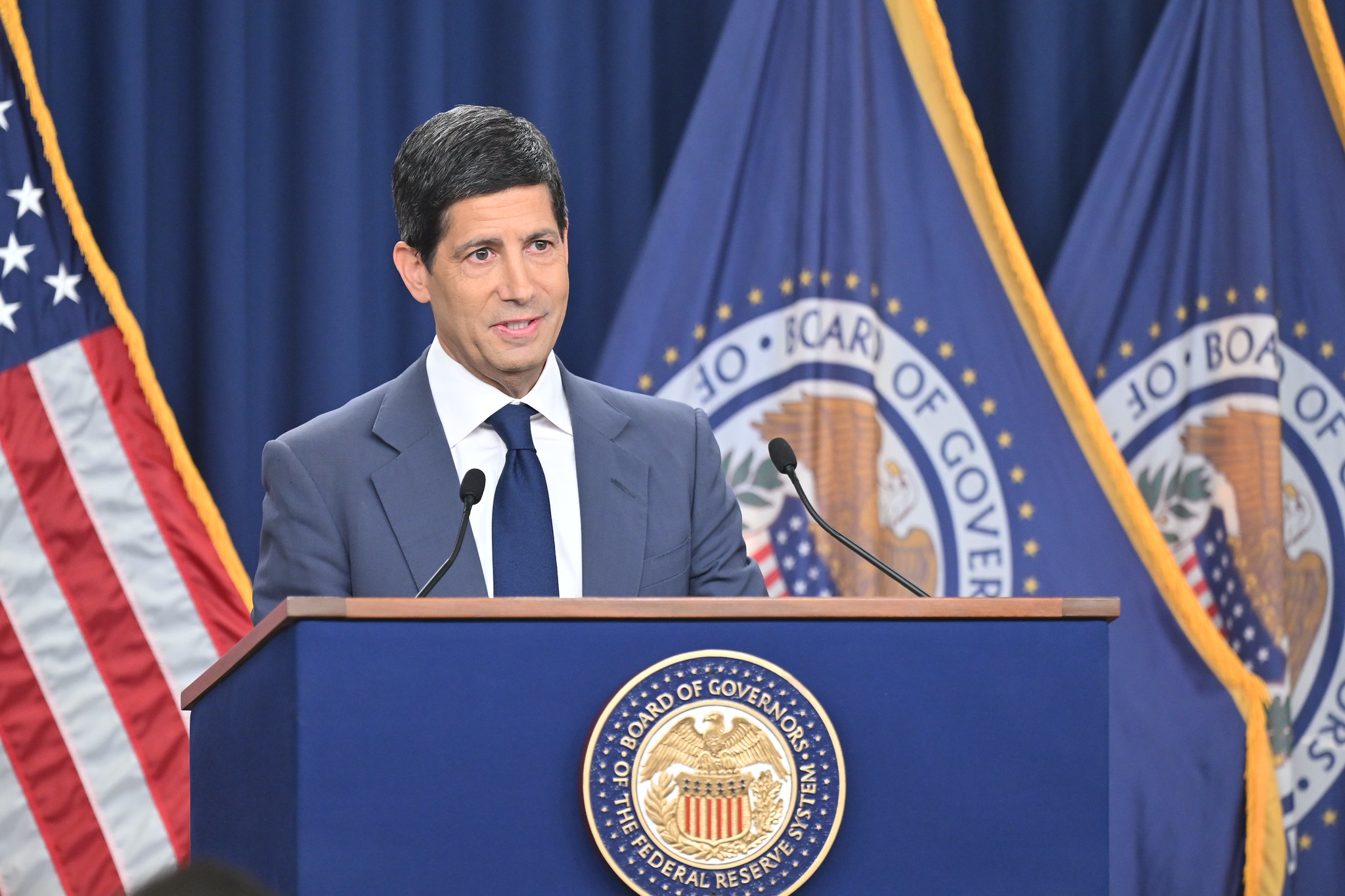
Fed chair Kevin Warsh told reporters that “energy and related prices have moved higher again in recent weeks, and our job is to ensure that relative price changes in some sectors do not broaden out across the economy, and that inflation expectations remain as they are anchored”.
Financial markets were pricing in a roughly 85% chance of a rate rise at the Fed’s December meeting, according to CME’s FedWatch tool.
Trump, who nominated Warsh to lead the central bank, spent much of last year urging the Fed to cut rates sharply.
Higher prices inflated consumer spending figures. Spending, which accounts for more than two-thirds of US economic activity, rose 0.5% in September after a 0.9% increase in August.
Adjusted for inflation, however, spending was flat last month, leaving the economy on a weaker footing going into the final quarter of the year.
The figures were released alongside the government’s first estimate of third-quarter growth, which showed the economy expanding at an annualised rate of 3.4% between July and September. Consumer spending grew at a 3.8% rate over the quarter.
Energy costs have risen since the start of the war with Iran, which has disrupted oil shipments through the Strait of Hormuz.
The cost of living is a central issue in the 3 November midterm elections, which will decide control of Congress. Earlier this month, Trump eased sanctions on Russian diesel exports as he faced pressure from voters over fuel prices.
The PCE price index tracks the prices of goods and services bought by US households, including those paid for on their behalf, such as employer-funded health insurance. It is the measure the Fed uses for its 2% inflation target.
The core measure strips out food and energy, whose prices swing sharply from month to month, and is seen by policymakers as a better guide to underlying inflation.
Higher US interest rates tend to strengthen the dollar and can push up government borrowing costs around the world, including in Britain.
UK 30-year gilt yields hit a 28-year high above 6% earlier this month, before easing after chancellor John Healey’s Budget on Wednesday. The Office for Budget Responsibility expects UK inflation to average 3.5% next year, as the same energy price shock feeds through.
The Fed’s December meeting is its last of the year. Before then, policymakers will see October’s figures on jobs, consumer prices and spending, which will show whether higher energy costs are spreading into the wider economy, the risk Warsh highlighted on Wednesday.
For US households, a rate rise would mean higher costs on credit cards and other variable-rate loans, at a time when spending is already flat once inflation is taken into account.