

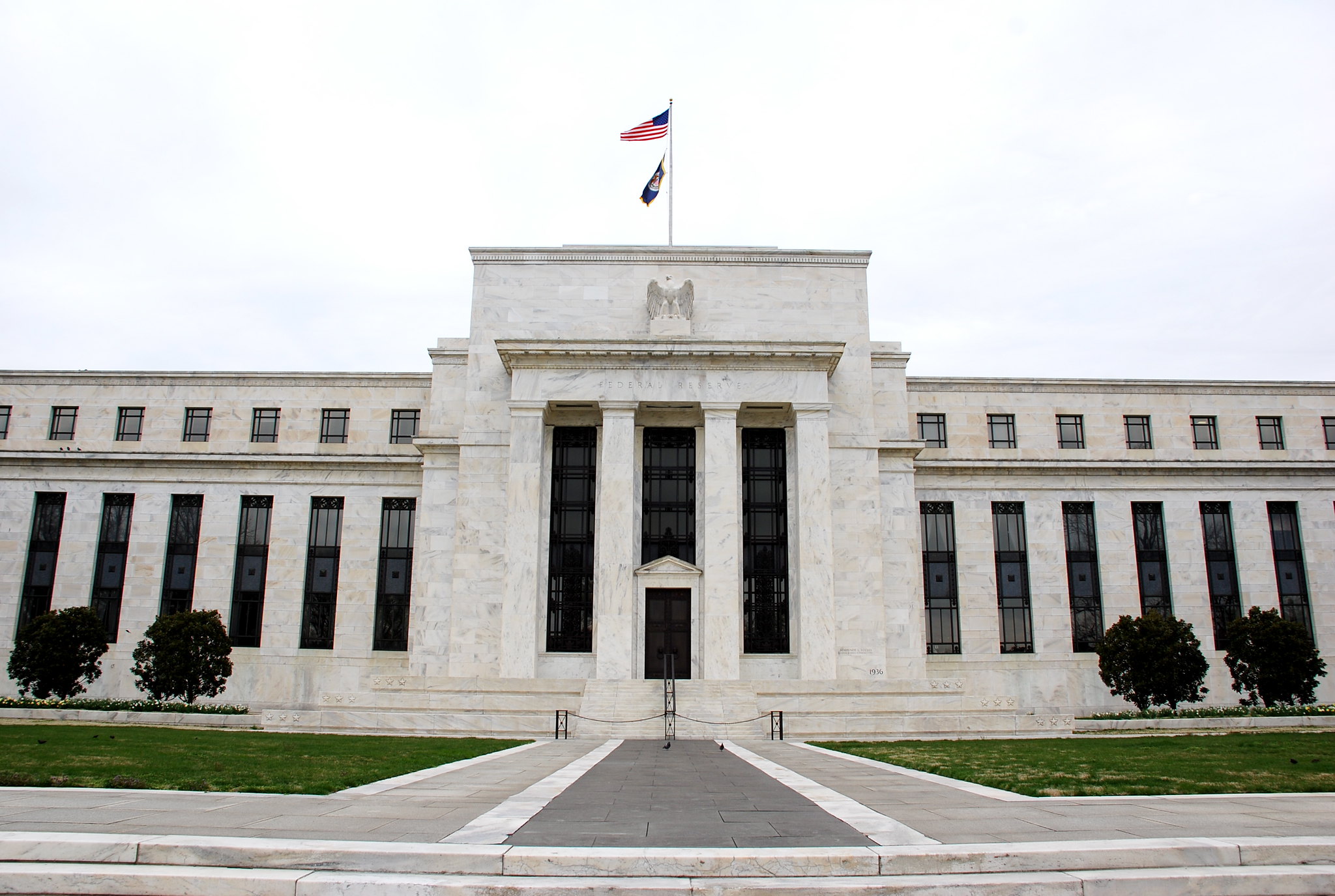
US consumer prices rose faster than expected in October, adding pressure on the Federal Reserve to raise interest rates again next month.
The consumer price index rose 0.4% from September, the Labor Department said on Tuesday. That was down from 0.6% the previous month but above forecasts of 0.3%. Core prices, which exclude volatile food and energy, rose 0.3%, also a tenth of a point above expectations.
The government did not publish an annual inflation rate, because no data was collected in October 2025 during a government shutdown. In the year to September, inflation was 3.7%. Riccardo Trezzi, a former Fed economist who runs the consultancy Underlying Inflation, estimates that it reached about 4% in October.
Petrol prices rose 1% in the month, far less than in previous months, and energy costs overall rose 0.7%, compared with 5.2% in September. Petrol is still more than 37% dearer than a year ago.
But there are signs that higher energy costs are spreading through the economy. Electricity rose 0.9%, the most since April. Grocery prices rose 0.4%, the biggest monthly increase in six months, with baby food and infant formula seeing their largest rise on record. Beef rose 0.9%, after jumping nearly 14% in the first half of the year, and restaurant prices rose 0.5%, the most since January 2024.
Public transport fares rose 2%, and car insurance, medical care, airfares and delivery services all climbed.
“There is a sense that inflation is broad, persistent, a little bit everywhere,” Trezzi said. “The Fed should be very worried.”
Some electronics that usually get cheaper are now rising in price. Smartphones rose by the most since the government began tracking them separately in 2020, and televisions saw one of their biggest increases on record. Computer prices rose 0.5%, after climbing nearly 10% in the year to September.
Economists link part of the rise to the boom in AI investment, which has pushed up prices for computer chips, electricity and consumer electronics.
Tariffs are also adding to costs. The Supreme Court struck down most of President Donald Trump’s tariffs in February, but he replaced them with a 10% global tariff. Research by the New York Fed found US businesses absorbed nearly 90% of the cost of tariffs, and that each percentage point rise in average tariffs pushed up consumer goods prices by nearly 0.25% after a year.
The Federal Reserve raised interest rates in September and held them at its October meeting. The latest figures make a rise in December highly likely.
Fed governor Christopher Waller said on Tuesday that a half-point rise was possible, double the usual size. “Economic activity is strong, the labor market is stable, but inflation is too high,” he said.
Stock prices fell and US government borrowing costs rose on the news.
Outside inflation, the economy looks healthy. It grew at an annual rate of 3.4% in the three months to September, driven by consumer spending, and unemployment is low at 4.1%.
Higher US rates tend to push up borrowing costs around the world. The Bank of England is also considering another rise in December, after the UK economy grew faster than expected in the third quarter.
The figures came a week after midterm elections in which Democrats won control of both houses of Congress. In the AP VoteCast survey of 100,000 voters, about two-thirds blamed Trump’s policies for higher costs, and about nine in 10 said the cost of living was a crucial or major factor in their vote.
Trump has acknowledged voter anger over the Iran war and fuel prices but has shown no sign of changing course. Oil prices have fallen in recent days on hopes that the conflict is easing, and petrol prices have dropped so far this month.
Businesses are bracing for customers to cut back. Chris Butler, chief executive of National Tree Company, an artificial Christmas tree importer, said most of his customers now spend $200 or less on a tree, compared with $300 to $400 during the pandemic. “Inflation continues to persist,” he said.
For older Americans, Social Security benefits will rise 3.6% from January, an average increase of $75 a month.